Contents
Vitamins
 ✨ AI
Organic micronutrients (A, C, D, E, K, and the B group) that keep countless body processes running.
Vitamins are compounds your body needs in small amounts to release energy from food, protect cells, build bone, clot blood, and more. They fall into two groups: water-soluble (vitamin C and the B vitamins), which aren't stored much and are needed regularly, and fat-soluble (A, D, E, K), which are stored in body fat.
What is Vitamins?
Vitamins are compounds your body needs in small amounts to release energy from food, protect cells, build bone, clot blood, and more. They fall into two groups: water-soluble (vitamin C and the B vitamins), which aren't stored much and are needed regularly, and fat-soluble (A, D, E, K), which are stored in body fat.
Why Vitamins matters
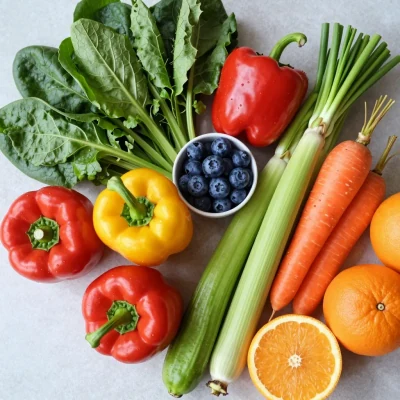
A varied diet covers most vitamins: fruit and vegetables for C and folate, whole grains and animal foods for B vitamins, and healthy fats for the fat-soluble ones.
Best sources of Vitamins
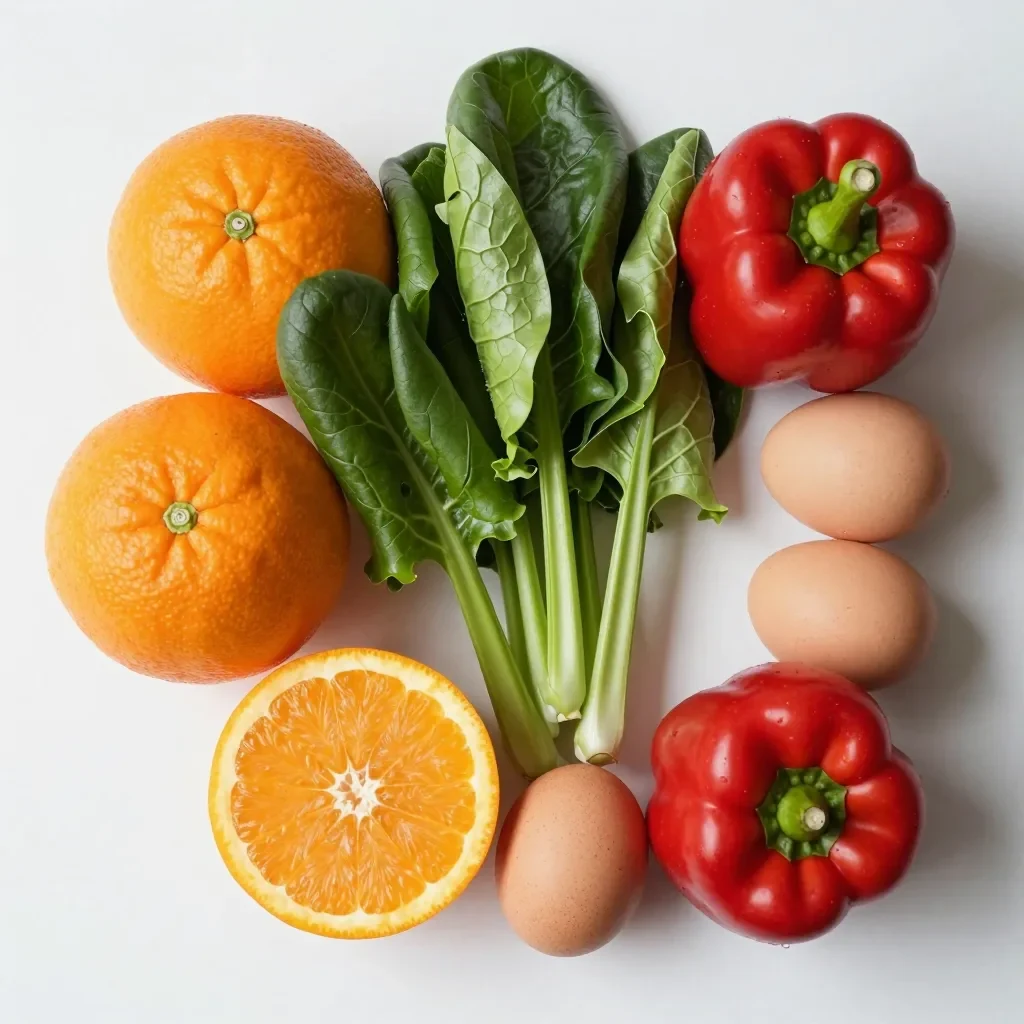
- Citrus & berries
- Leafy greens
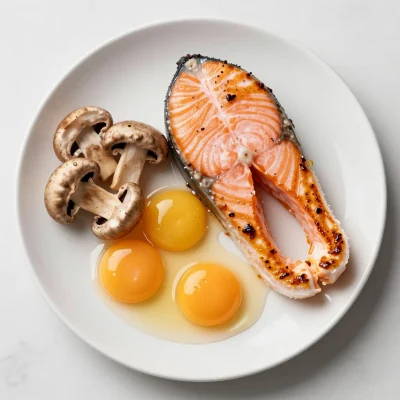
- Eggs & dairy
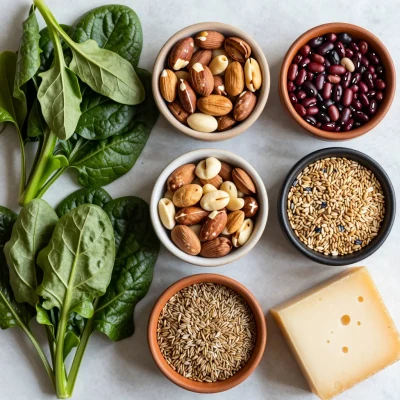
- Whole grains
- Nuts & seeds
Practical tips
Because fat-soluble vitamins accumulate, high-dose supplements can be harmful; food first is the safest approach.
References
FAQ
What is Vitamins?
Organic micronutrients (A, C, D, E, K, and the B group) that keep countless body processes running.
Why is Vitamins important?
A varied diet covers most vitamins: fruit and vegetables for C and folate, whole grains and animal foods for B vitamins, and healthy fats for the fat-soluble ones.
What are the best food sources of Vitamins?
Citrus & berries, Leafy greens, Eggs & dairy, Whole grains, Nuts & seeds.
Any practical tips?
Because fat-soluble vitamins accumulate, high-dose supplements can be harmful; food first is the safest approach.